

A Preliminary Word . . .
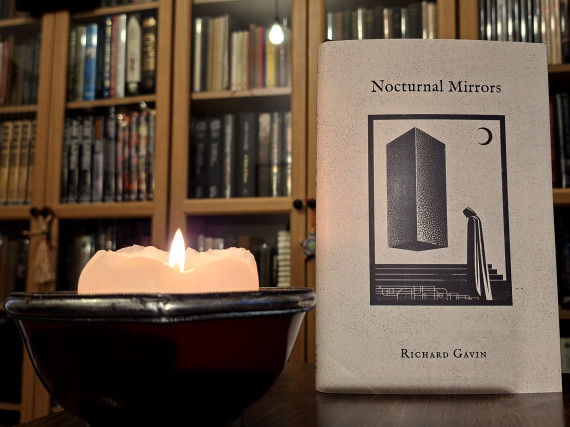
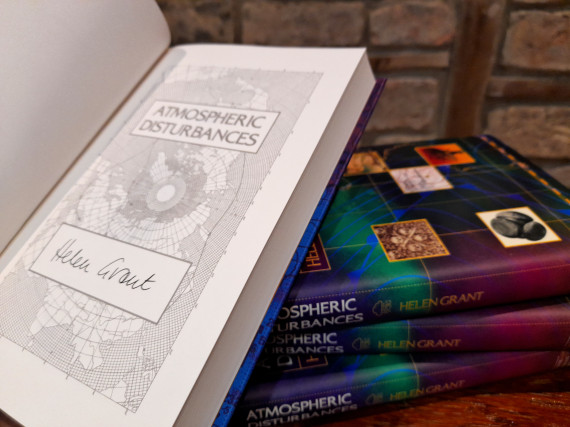
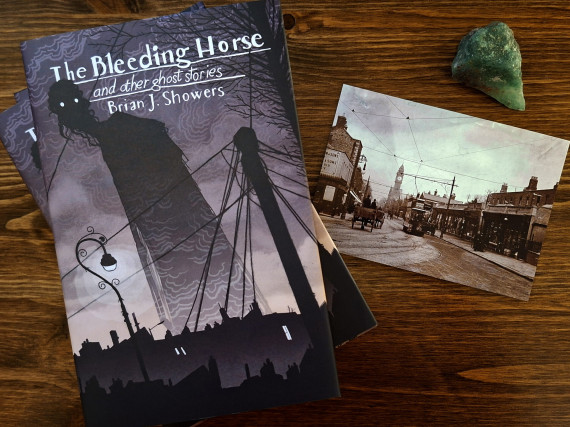
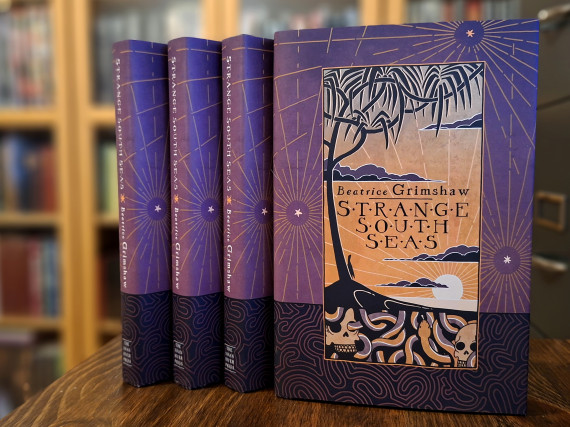
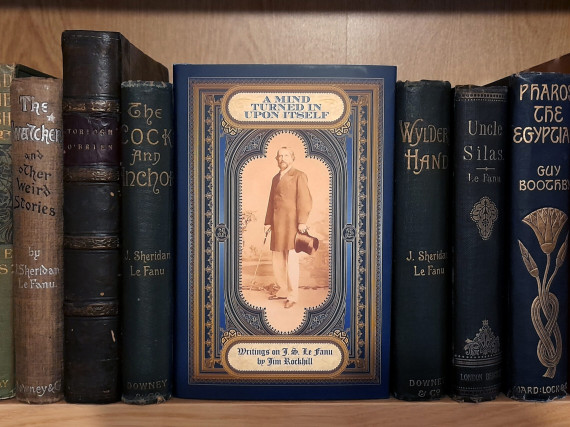
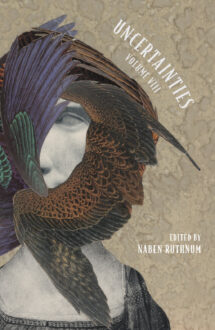
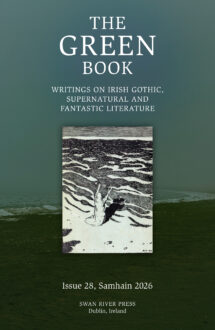
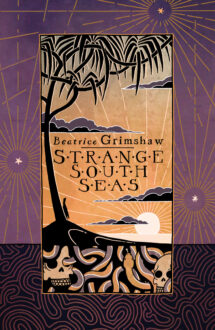
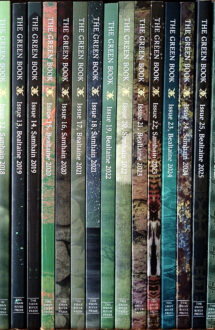
Swan River Press is an independent press based in Dublin, Ireland dedicated exclusively to the literature of the fantastic. Guided by a passion for works of the supernatural and strange, we are committed to producing high-quality, limited hardback editions, in order to provide fitting homes for these fascinating texts. We publish contemporary, classic, and occasionally obscure writers from around the world with an emphasis on Ireland’s past and present contributions to the genre.
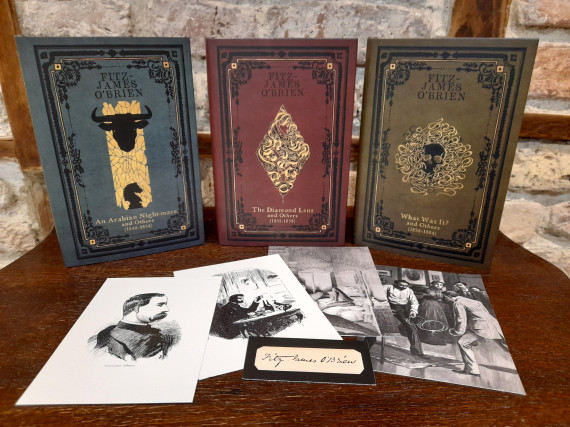
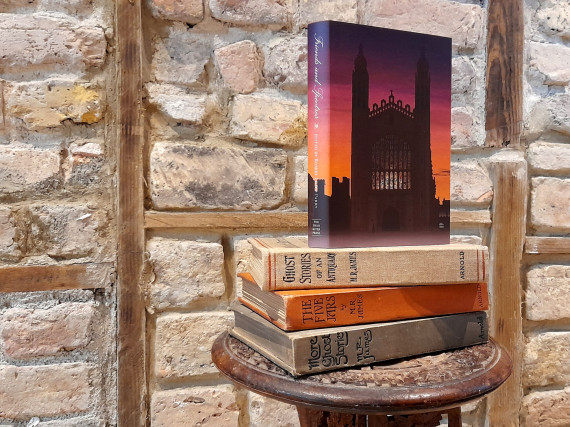
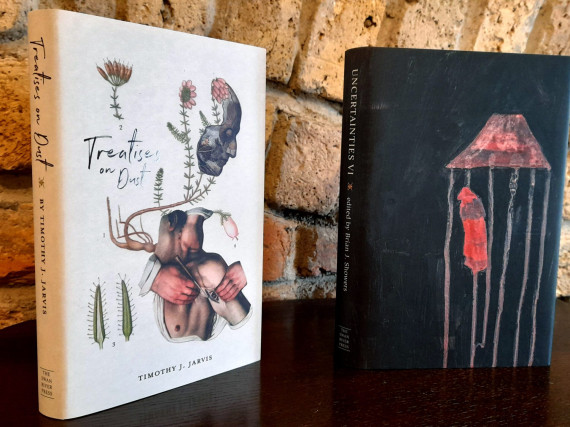
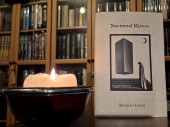
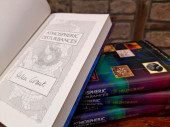
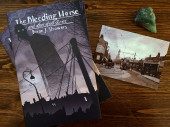
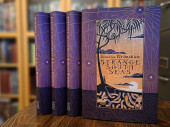
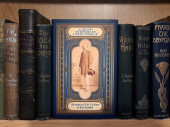
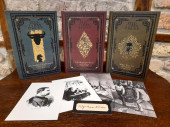
All Swan River Press publications, both inside and out, are attractively designed with an aim towards enhancing the reading experience. Our hardbound limited editions feature durable dust jackets, printed boards, sewn binding, head and tail bands, and are lithographically printed on high-quality stock. We also like to throw in extras where we can, such as postcards or signed editions. Please browse our titles. Hopefully you’ll find something you’d like to read.
“While small publishers often produce beautiful books,
few can match those from Swan River Press.” – Washington Post
“Swan River Press—cutting edge of New Gothic.”
– Joyce Carol Oates
“The redoubtable Brian J. Showers [keeps] the
myriad voices of Irish fantasy alive there in Dublin.”
– Alan Moore